La Paz — Hope Is Just Around the Corner
The world's highest capital. Where to stay away from the traveller strip, and how to reach Tiwanaku on your own.
La Paz, the capital of Bolivia — the name translates as peace — is the highest capital city in the world, sitting at 3,600 metres. An enormous city stitched together by cable-car lines.
A pleasant city, with decent nightlife by Bolivian standards. Not much more than that.
But it’s a crossroads that a lot of people pass through, and even so there are a few points of magic in it and around it that are worth knowing about.
A slightly different La Paz
The touristy area, the one relevant to us as travellers, sits in the valley of the city.
Most Israelis concentrate in one area which, honestly, is a bit reminiscent of Khao San Road in Thailand: dirty, crowded, with a market and travel agents who show off their fluent Hebrew. It’s genuinely fine, but La Paz has a little more to offer. If nightlife is what you’re after, the hostel brands Loki and Wild Rover do the job completely.
Let’s jump to the second, less familiar tourist area — at least for the Israeli crowd — about a kilometre and a half from the first one.
There are two recommended hostels in this area. The first is Selina, familiar to us from all over South America, which in La Paz put up a grand building that honestly doesn’t match the grey street it’s on, but is well designed and impressive by any measure.
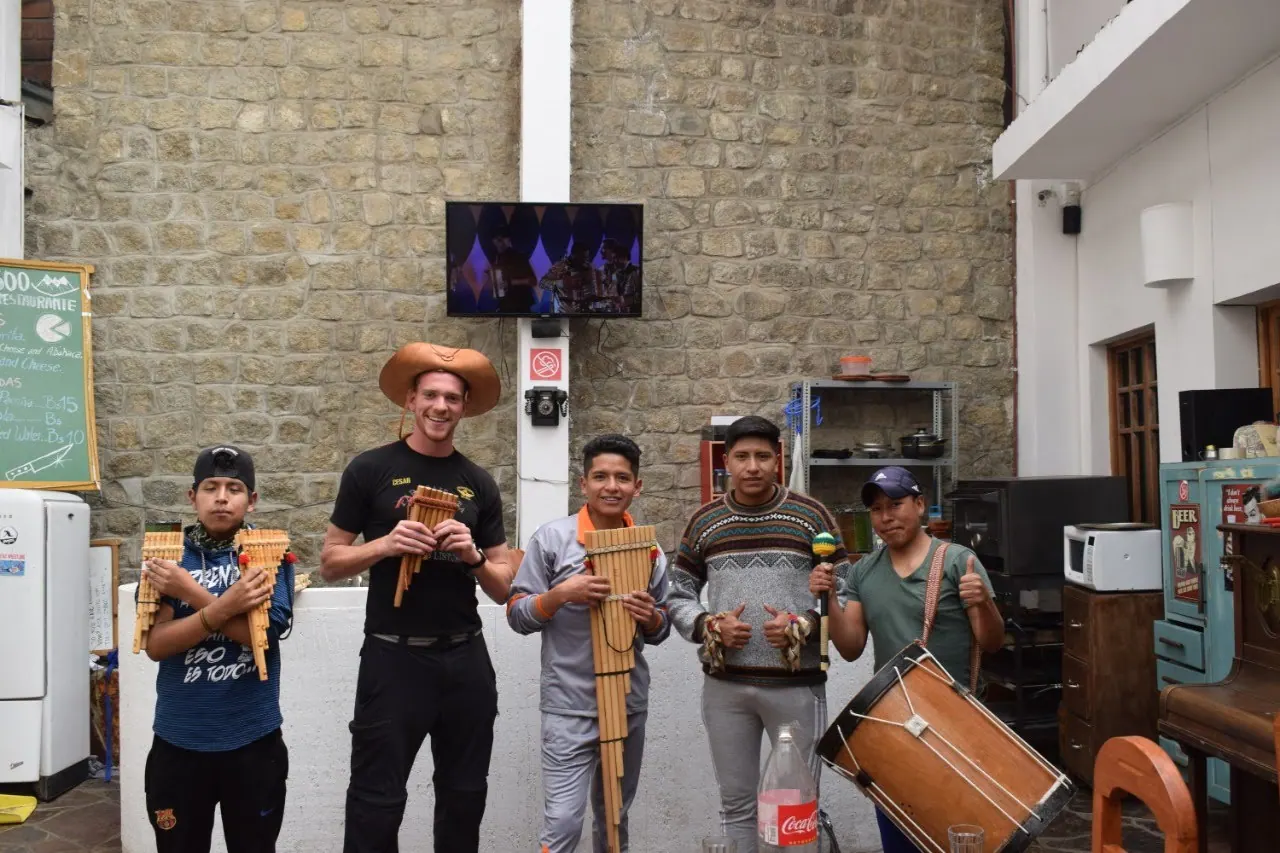
The second hostel, which I’d warmly recommend, is Hostel 3600 — run by young Bolivians, a cool crew who really like travellers and look after them wholeheartedly. Some of the staff are culinary students and they make a particularly good pizza on site. Delicious.
As for nightlife, this area has plenty of good clubs, mostly local ones. One especially worth it at weekends is Glam, which plays reggaeton and draws travellers too.
Attractions
As usual I won’t dwell on these, but I’ll list the well-known attractions you can find on other sites.
The northern glacier trek The Huayna Potosí trek Riding the cable car up and down at sunset (recommended) Death Road Valle de la Luna (Moon Valley)
The free walking tour leaving from Plaza San Francisco: an interesting tour covering the history and the central sites of La Paz from the Spanish conquest to the present day. It definitely adds some interest and colour to streets that on the face of it look fairly meaningless.
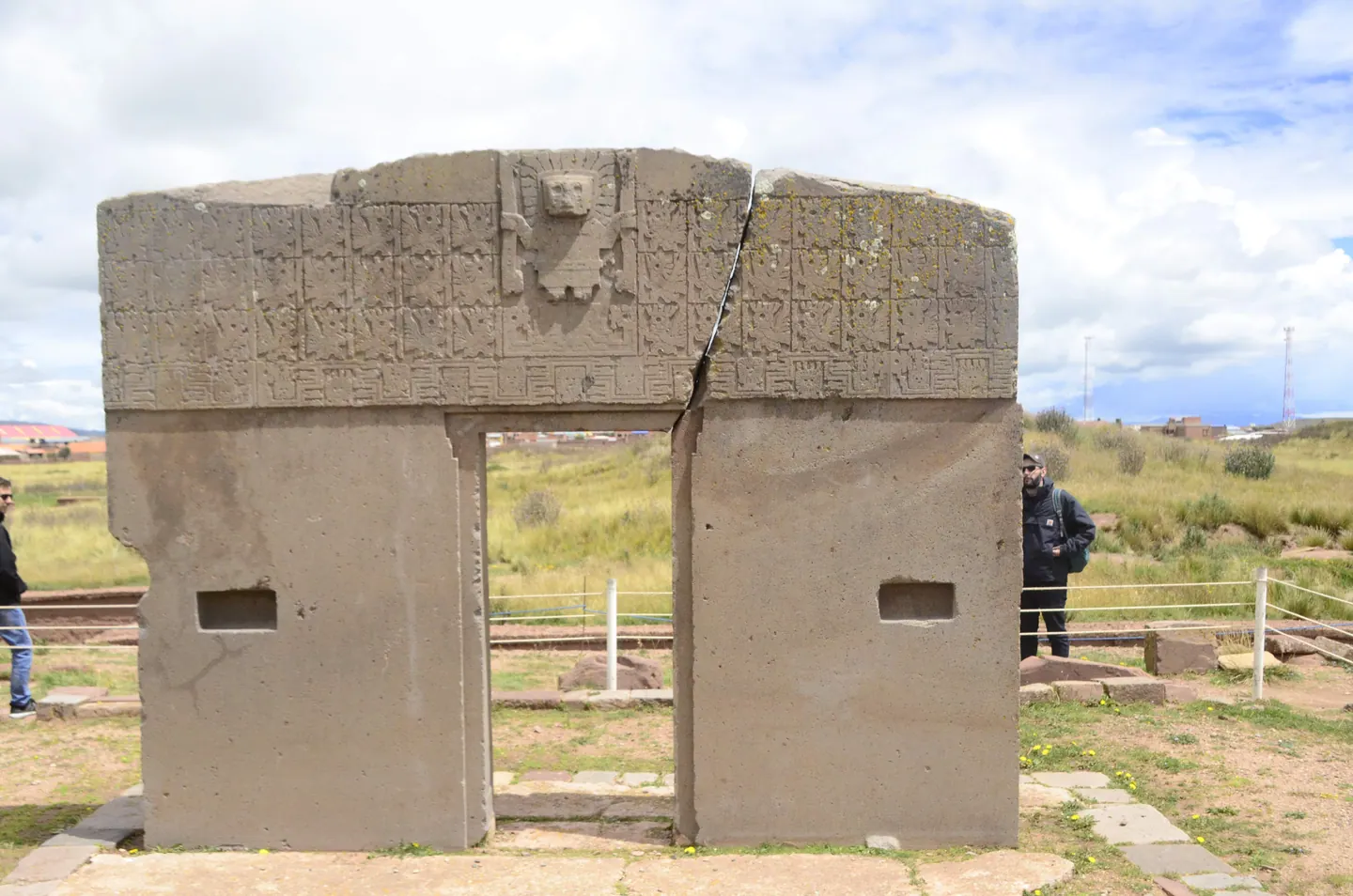
Tiwanaku: one of the most important archaeological sites in South America. The site is large and impressive — essentially an entire village abandoned centuries ago, home to a large community that built structures to a precision even the Inca couldn’t match. Because of that precision and its advanced astronomical knowledge, the site gets tied to theories about aliens and visitors from elsewhere.
You can get there on an organised tour, which is a bit expensive, or independently by taking the minibuses from La Paz’s main bus terminal marked tiwanaku. Get to the main terminal and ask there, or ask the taxi driver taking you — everybody knows it.
If you’ve come independently, you can hire a guide on arrival. I’d recommend it, and honestly it’s essential if you want to understand the meaning of what you’re looking at.
Important: there’s no cash machine and no really decent food in the village, and the visit takes two to three hours. Prepare accordingly.
Opening hours for the museums and archaeological sites are 08:00–17:00.