Valparaíso — A Paradise of Colour
Chile's cultural capital — graffiti, salsa, Pablo Neruda's house, and a hidden beach an hour from the city.
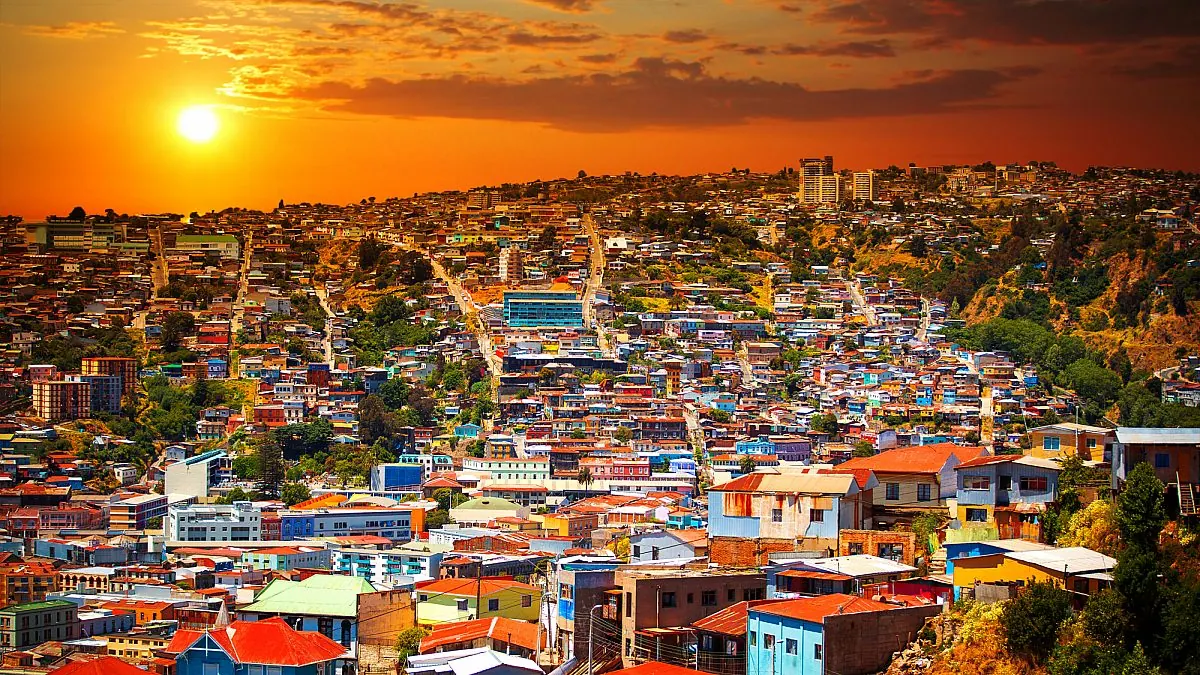
Valparaíso is a large, central city in Chile and, as its name already hints, an urban paradise. A city built on hills connected by colourful staircases and antique funiculars. It’s Chile’s cultural capital, a place humming with activity by day and by night, and politically significant too — the Chilean Congress sits here.
The city still isn’t visited as much as it deserves, particularly by Israelis. So in this guide I’ll pour a bit more colour onto a city where colour is the last thing missing.
Getting there
Buses leave for Valparaíso from Santiago’s main terminal roughly every 15 minutes. There’s no need to fly, which would be expensive.
Just keep an eye on your gear — a lot can happen in fifteen minutes at Santiago’s main terminal.
Where do you head for? Valparaíso has an old quarter which is also a UNESCO heritage site. Most of the hostels are there, and it’s a short walk from the seafront area where the clubs and bars are.
I couldn’t pin down the name of the area, but Hostel Da Vinci is a good point in the middle of it. https://g.page/hdavincivalpo?share
Attractions and day trips
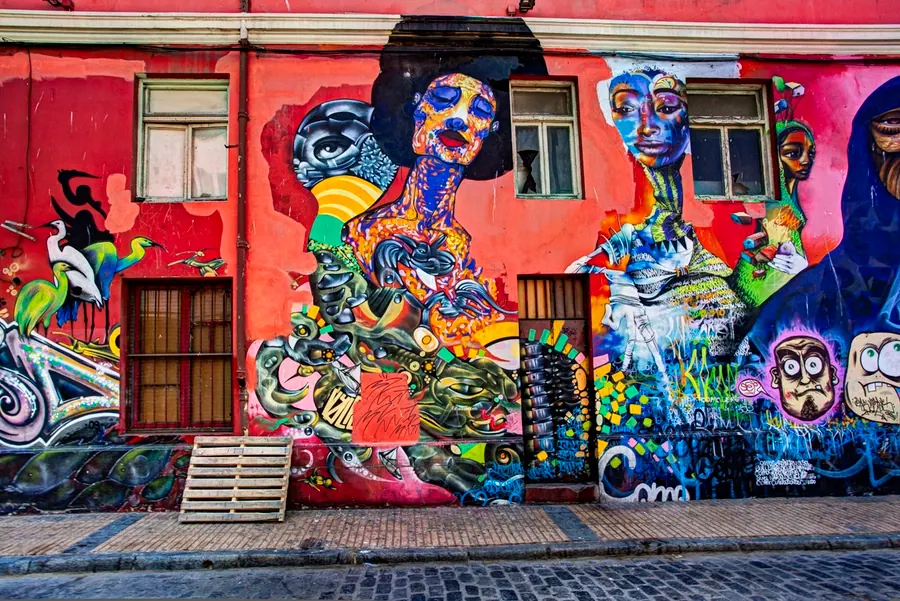
Graffiti tour. The city’s number one attraction, felt on every corner, is its colour and its extraordinary graffiti. There are several free tours running on tips; the best known, and the one I can recommend, leaves from Plaza Aníbal Pinto. http://www.freetourvalparaiso.cl/portada.html
Go to a festival or a local gig. Valparaíso is a city that is culture through and through. On my first day there, halfway through a walk to the supermarket, I found myself at a tango festival with acts over from Argentina. Later I came across this excellent site — https://www.vlpo.cl/ — where you can find everything that’s on, in Spanish only. And a lot is on. Through that site I ended up at a jazz festival with local beers, held in a park that used to be a prison. So don’t be put off by the Spanish, and ask a local for help if you need to. The main thing is not to miss the opportunities sitting on every corner of this city.
Nightlife. Like any self-respecting cultural city, the nightlife scene in Valparaíso is alive and kicking.
Locals gather around 11pm near Plaza Aníbal Pinto, and from there you’ll find several good bars on nearby Calle Cumming to start the evening, among them El Gato en la Ventana.
On the club side, the most famous and prominent of all is Terraza Bellavista — a two-floor club playing reggaeton inside, with a second floor that’s an open roof overlooking the sea playing techno.
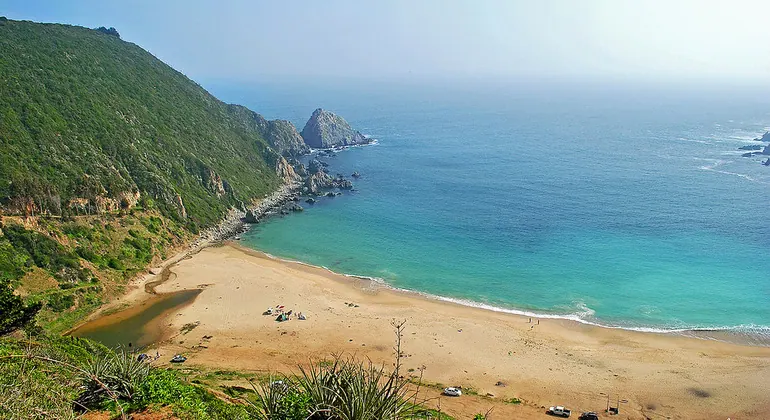
Las Docas beach. An hour from Valparaíso hides another paradise, known mainly to local Chileans: a small, concealed strip of beach ringed by giant rocks. An amazing place to go and to spend a night camping.
Getting there is an experience in itself. Ask the receptionist at your hostel which bus leaves from the centre for a town called Laguna Verde.
Get off at the last stop in Laguna Verde, and tell the driver too that you want to reach Las Docas.
Once you’re off, there’ll be taxi drivers offering to take you to the beach. You can go with them, the price isn’t terrible. I walked a bit and after an hour of waiting got a lift. Both ways are good.
There are a few food stalls at the beach, so you don’t have to arrive prepared with food if you don’t want to carry the weight — but a tent and sleeping gear are essential.
Location on Google Maps — https://goo.gl/maps/51EMvF1bGm92gxdTA
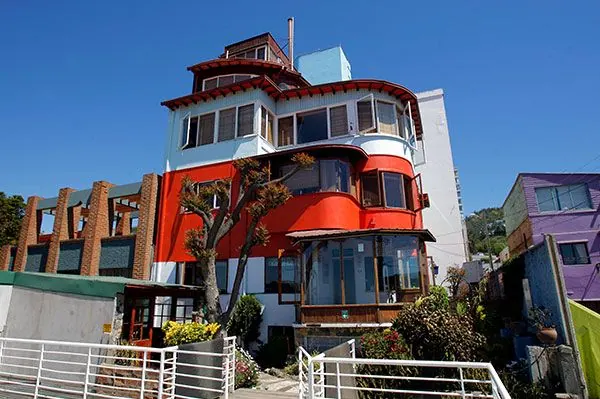
Pablo Neruda Museum. Pablo Neruda, Nobel laureate in literature and Chile’s greatest poet, was a colourful and interesting figure — and of course we can’t do without a bit of Jewish pride: his real name was Ricardo Eliécer Neftalí, son of a Jewish mother.
In one of Valparaíso’s high neighbourhoods stands his five-storey house overlooking the sea. It’s a fine viewpoint in its own right and a surprisingly gripping museum. Even people who aren’t great museum fans will enjoy it here: the information is presented in an engaging way, with audio accompanying you through all the floors in a maze that draws you into the world of a great artist.
A day trip to Viña del Mar. A bus from the coastal road will take you in half an hour to the neighbouring city, Viña del Mar — a wealthier city with large shopping centres and attractive swimming beaches.