Northern Argentina — The Salta That Will Lift You
A desert road trip out of Salta through Inca country — villages, the Cafayate wineries, and a pearl called Iruya.
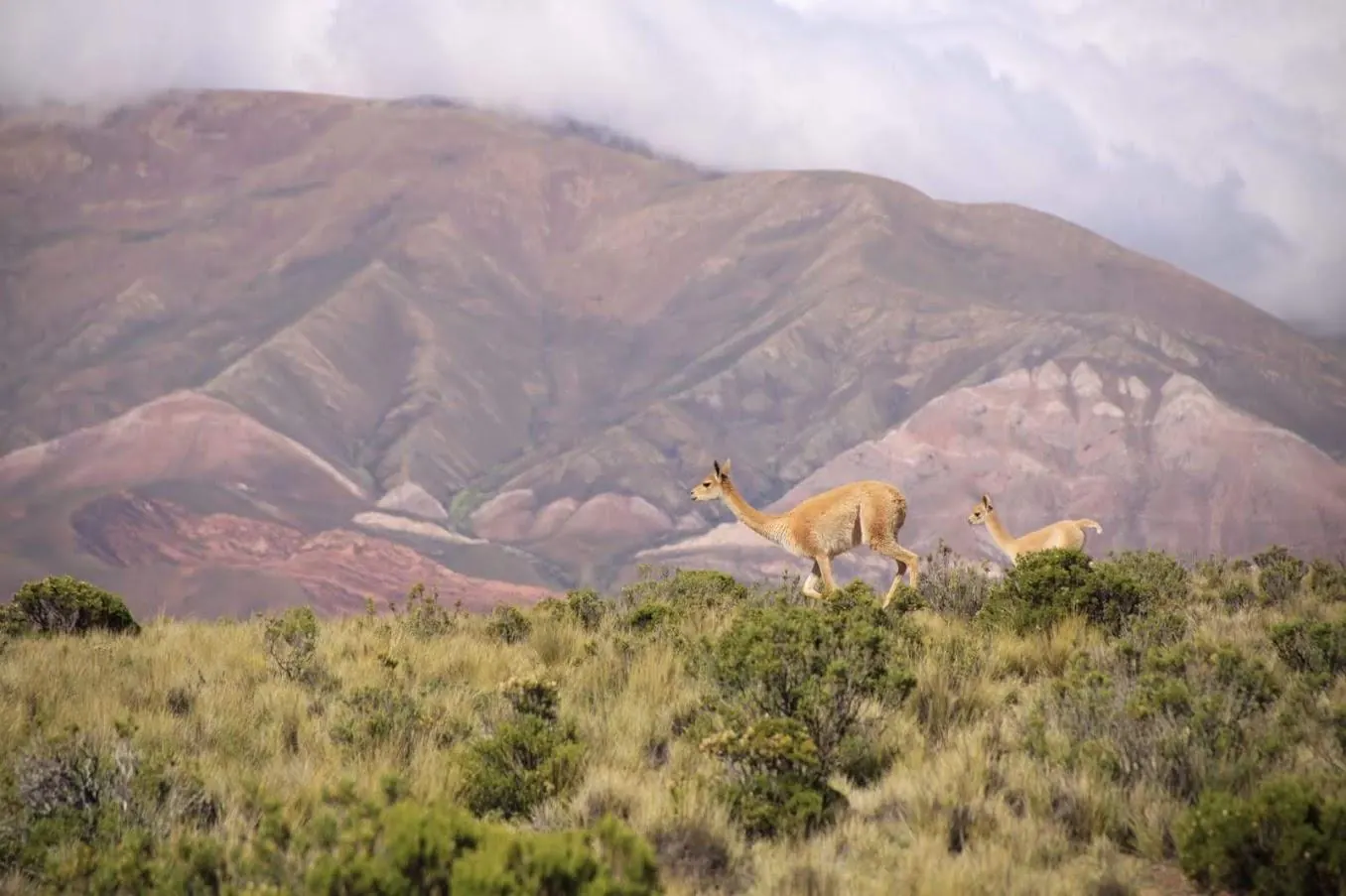
Northern Argentina — a province that is thought of, and looks like, the Wild West thanks to its desert landscape — is a distinctive region, unlike the rest of Argentina.
While most of Argentina is settled by the descendants of European migrants who arrived across different generations, northern Argentina holds onto a South American authenticity. This region is the southern frontier of the famous Inca culture, which stretches from northern Argentina up to southern Colombia.
Northern Argentina is a refreshing surprise, particularly cheap, and a place that forms the natural link between Argentina and countries like Bolivia and Peru. It has started to become more popular in recent years, but it certainly doesn’t get the attention it genuinely deserves.
In this guide I’ll focus on and go deeper into what has come to be called “the northern Argentina carretera”, and give specific recommendations on authentic and interesting villages and places.
Before the guide begins, it’s worth noting that beyond the trips and recommendations here, the central event in northern Argentina is the festival held at the end of February each year. You can read about it in the guide The Carnival of Northern Argentina and in the road story The Homeless Carnival.
“The northern Argentina carretera”
A trip along the roads of northern Argentina: a desert route holding plenty of interesting cultural and historical surprises.
The recommended way to do it is by hiring a car from the city of Salta.
Hiring a car in northern Argentina isn’t an expensive business, especially when you split it between everyone in the car.
Accommodation
In most of the villages and stops along the way there are plenty of guest units called hospedaje or cabañas.
Beyond that, some places also have hostels, and there’s the option of sleeping in tents — although the price you pay for a night in northern Argentina is pretty minimal and there’s no real need to camp.
Salta
Salta is the starting point for the trip: a large city that’s pleasant to wander around, to shop in and stock up for the road, or just to walk down its central pedestrian street. Beyond that it looks, on the face of it, a little dull.
Because you leave from it and come back to it, and because travellers also get their Bolivian visa here, you usually end up spending several days in it. So here are a few things you can do in Salta and around it.
The Museum of High Altitude Archaeology. A recommended museum and one of the most remarkable on the continent.
The museum covers Inca culture in an engaging and well-explained way, but the main reason to visit is the mummies of the Inca children who were sacrificed to the gods and left on a mountain at high altitude, where the weather conditions preserved them perfectly. It’s a relatively recent archaeological discovery and genuinely impressive.
The Chabad House. In the centre of Salta sits a small but tight-knit community that creates a distinctive Chabad house atmosphere — not grand and crowded like Cusco or Medellín, but familial and welcoming, something that suits the calm feel of northern Argentina.
For enquiries and details — https://www.facebook.com/profile.php?id=100008838163959
The San Bernardo viewpoint. Cerro San Bernardo is the lookout over the city of Salta, with a fine panoramic view from the summit. You can reach the top by a pleasant staircase with a small waterfall on the way, taking about an hour, or by cable car. (If you’re a masochist like me, running it is also a very challenging option.)
El Viejo Jack, a steakhouse. No, this isn’t Bariloche, but Salta’s legendary steakhouse is definitely where you’ll want to spend your evening meal and treat yourself to good meat at a particularly good price.
Villages and stops north of Salta
Jujuy. A large city, useful if you need to withdraw money, shop, or just stop to eat. Beyond that it’s better to carry on to the villages north of the city.
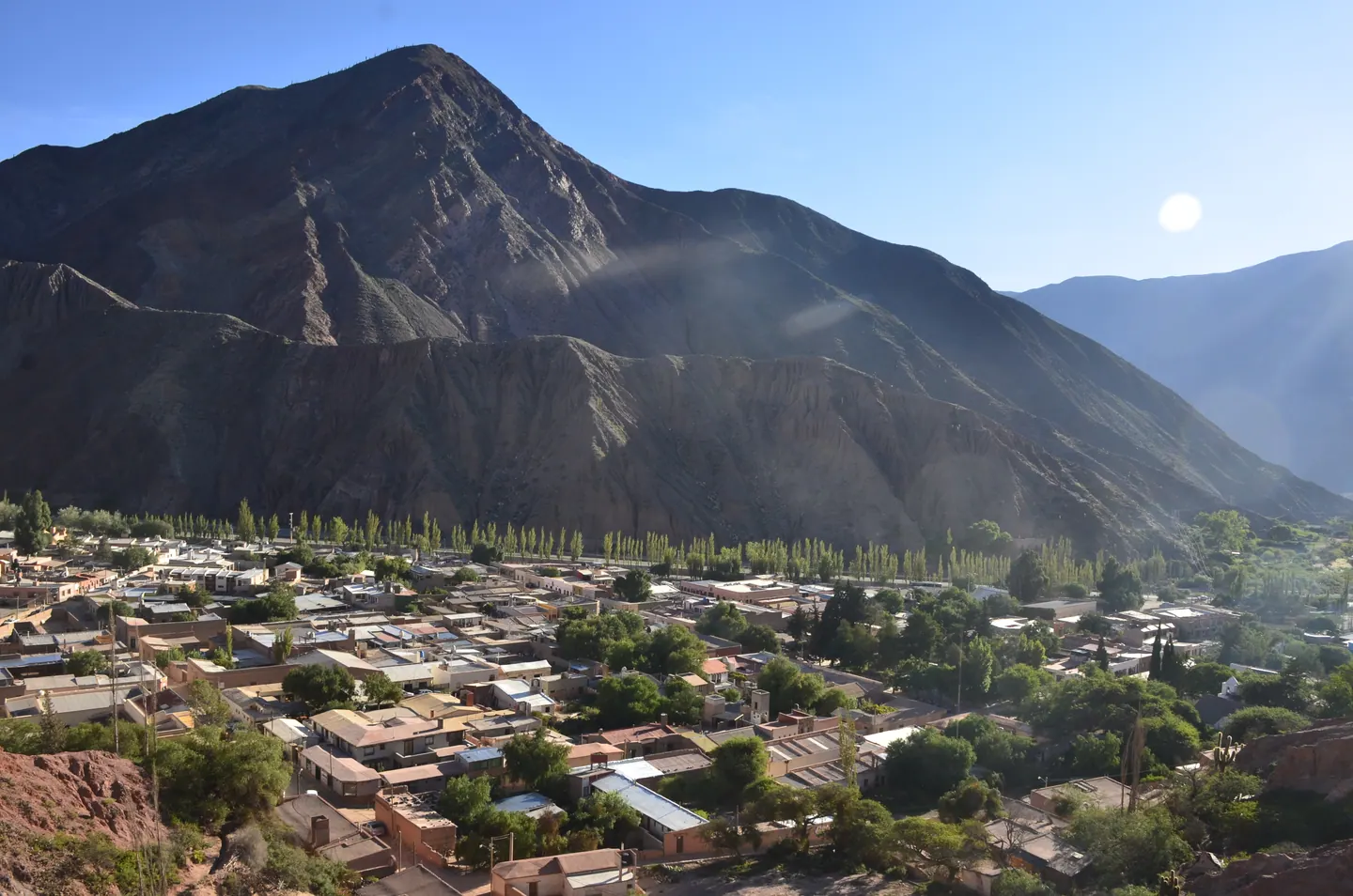
Purmamarca. A small village at the foot of the Hill of Seven Colours — a nice enough hill, but far less so than the Hill of Fourteen Colours further north. The village itself is pleasant and has accommodation, food and a small tourist market.
Tilcara. A village I’d recommend for sleeping: plenty of varied places to stay, a small central square with a souvenir market and lots of restaurants and bars around it. A recommended dinner at La Peña de Carlito.
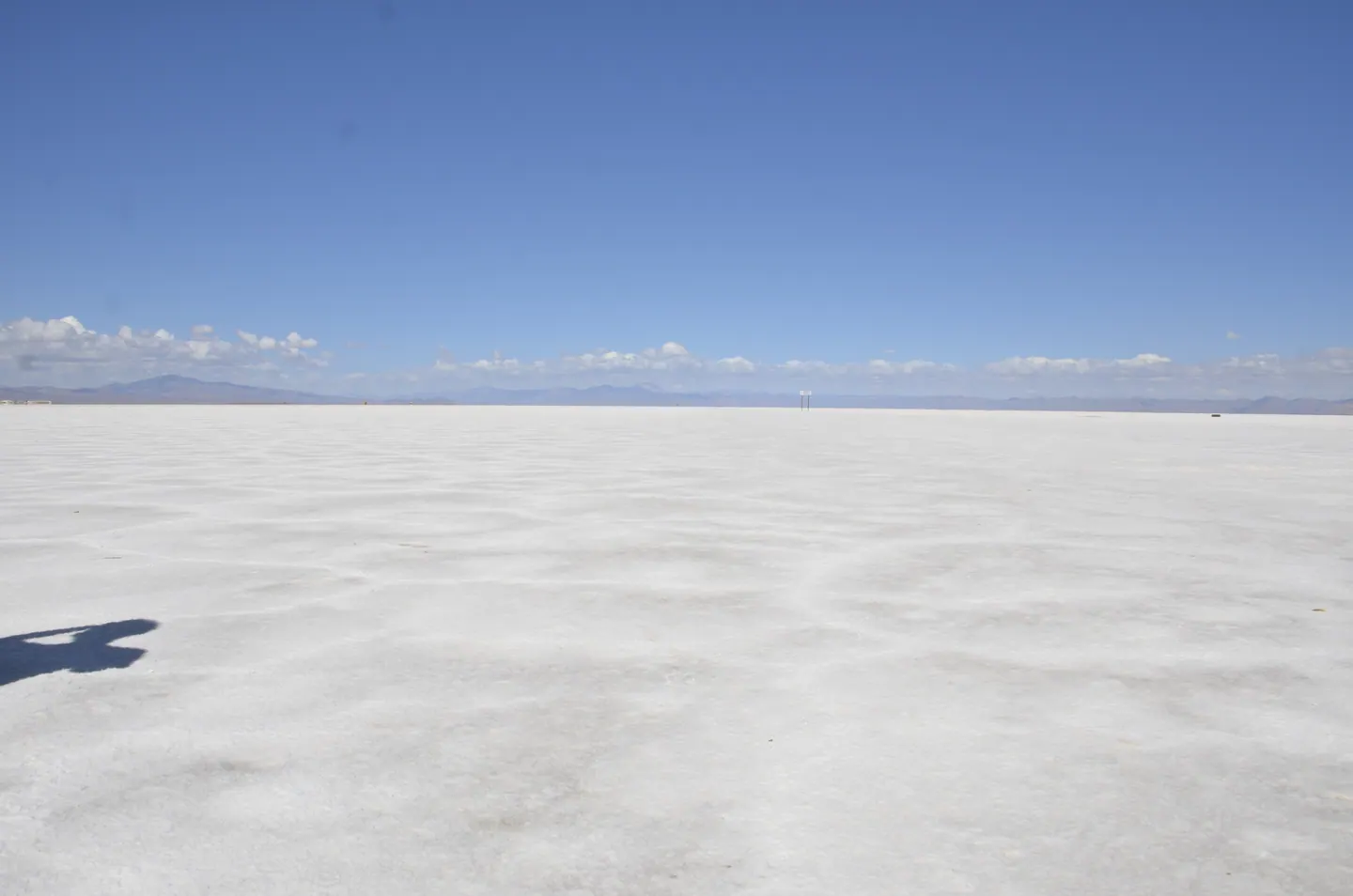
Salinas Grandes, the salt desert. Whether or not you’re going to the Uyuni salt flat, this is a spectacular drive that’s definitely worth doing, ending at a large and impressive salt desert. The drive from the main road takes about an hour and a half each way.
Humahuaca. A large village which is the access point to the Hill of Fourteen Colours, which you absolutely must not miss. Beyond that it’s a well-organised village with a petrol station, a cash machine, restaurants — pizza at El Hornito is essential — excellent places to stay and a large monument at its centre. A good place to spend the night.
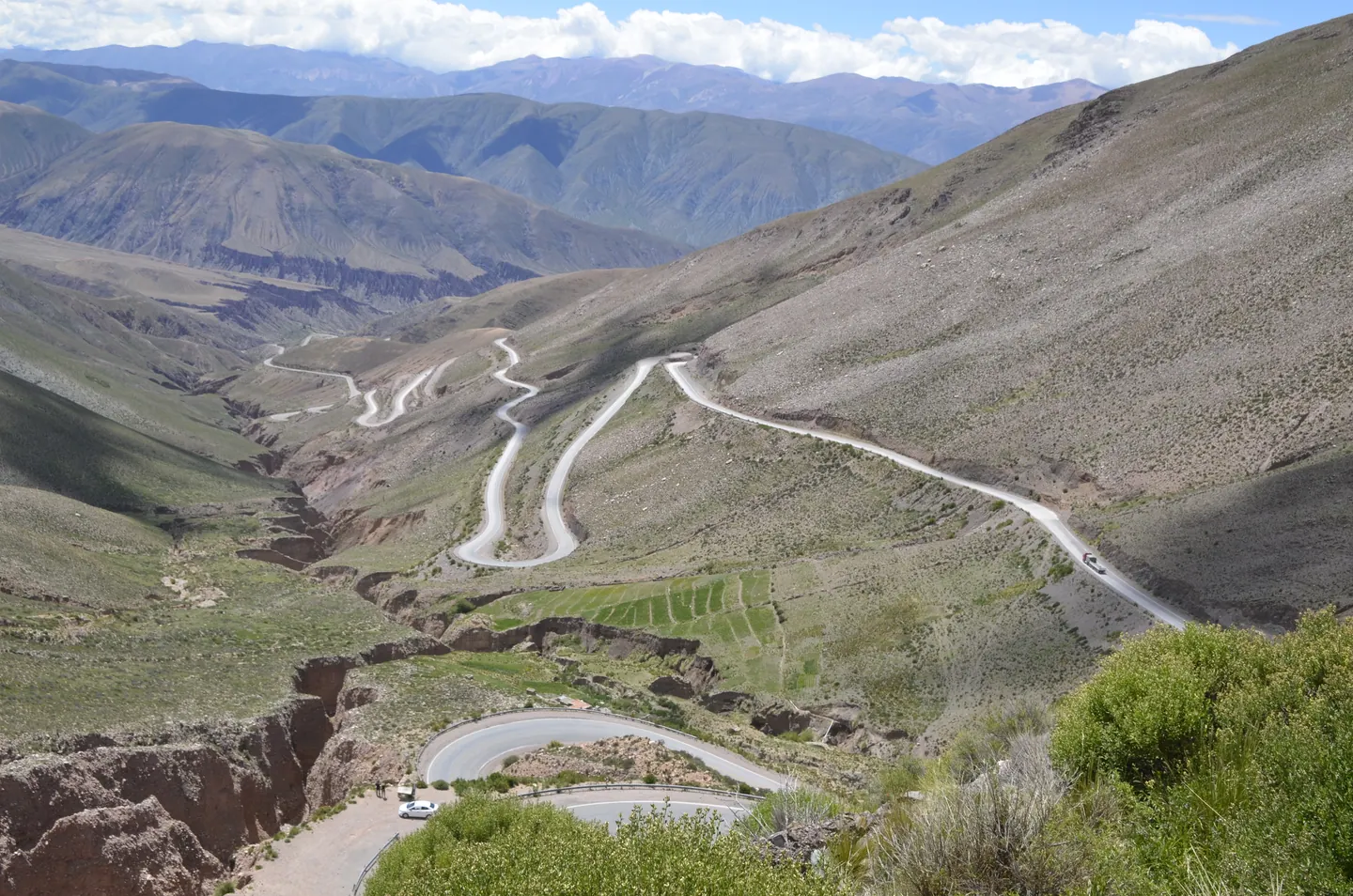
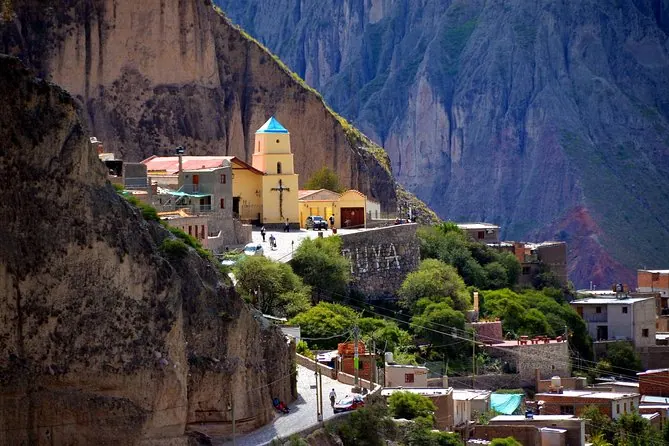
Iruya. Somewhere among the mountains sits a small village with an inexplicable magic. The road there is special and surprises you again at every bend, running authentically through ancient communities that have settled the valley since antiquity.
The village itself is small and picturesque, and its very location makes it special. There’s no particular attraction, but it’s enjoyable to walk the streets and appreciate the sheer existence of this community, and to stop and eat in one of the local restaurants.
Villages and attractions south of Salta
South of Salta, our starting city in northern Argentina, there are a number of very interesting attractions and sites. The desert landscapes are relatively similar to the northern stretch, but in the southern part you’ll find wineries and a lot of fascinating history — connected even to the beer you’re probably holding.
Cafayate. A pleasant town that most people heading south of Salta arrive at.
The town is famous for the wineries around it and is a good, convenient place to stop for the night. In its charming central square you can hear live music and spend the evening at one of the local breweries.
And having mentioned music, I can’t not tell you about a dear man called Daniel D’Amico — an Italian Argentine and director of Cafayate’s music school, who at night sits at home crafting instruments by hand. So if you’ve ever fancied getting your hands on an authentic South American instrument rather than something cheap from the market, he’s your man.
Here’s the link to his Facebook page, but just ask people — everybody knows him. https://www.facebook.com/daniel.damico.5667
Back to the wineries. The whole town is full of them, but outside the town too there are many wineries which, with an excellent view, surpass the in-town experience several times over.
Recommended wineries around Cafayate
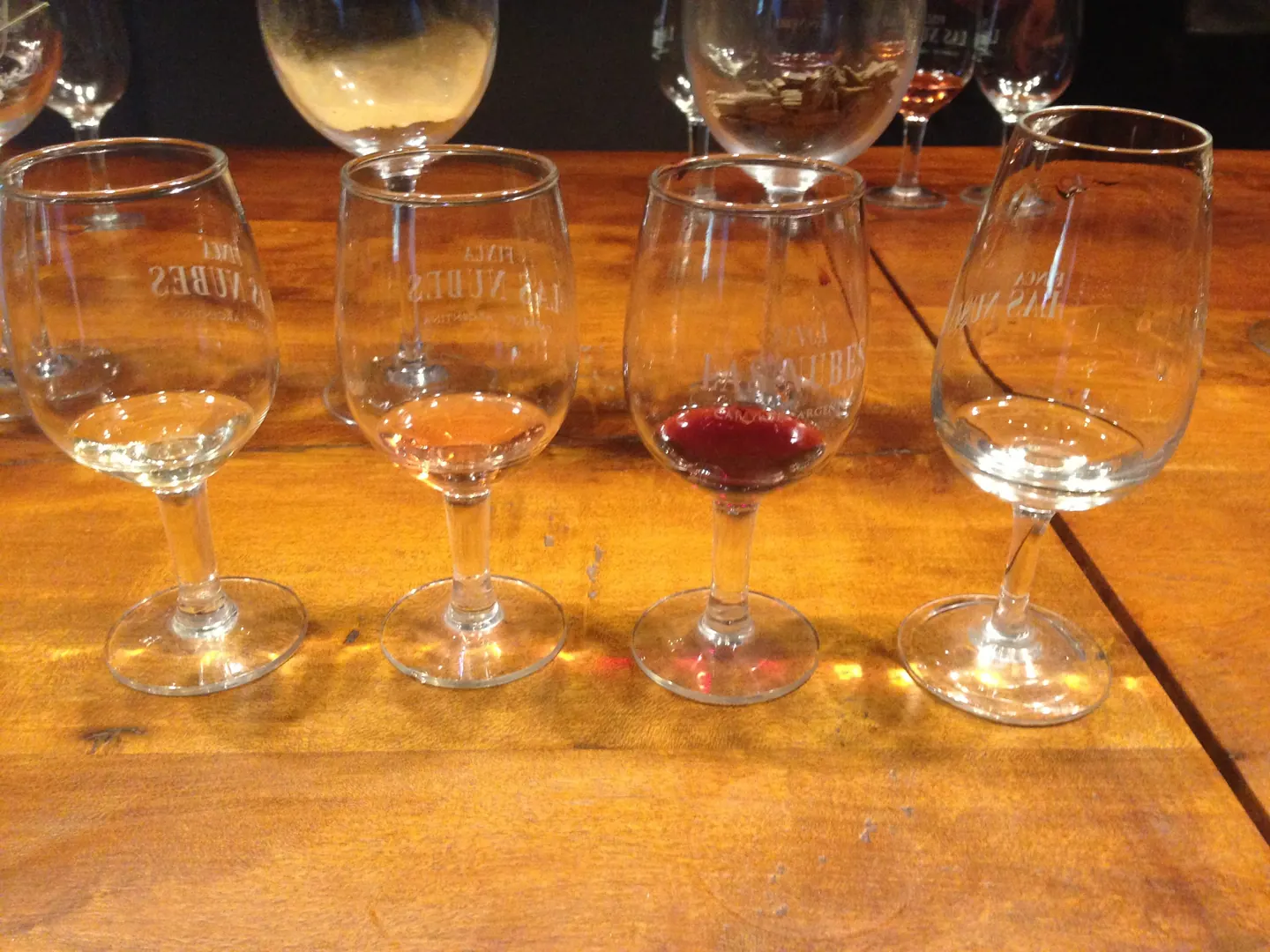
Las Nubes — a winery whose name hints at its excellent location (clouds in Spanish). A mountain view accompanied by explanation and tastings, all at a good price.
Piattelli Vineyards — a large, grand winery and estate with a restaurant sitting in the valley. Worth visiting when you want to eat and combine both experiences together, facing the view.
Domingo Molina — a winery in the heart of a green valley, with excellent tastings and a small exhibition of painting and wine. A good combination and an enjoyable visit.
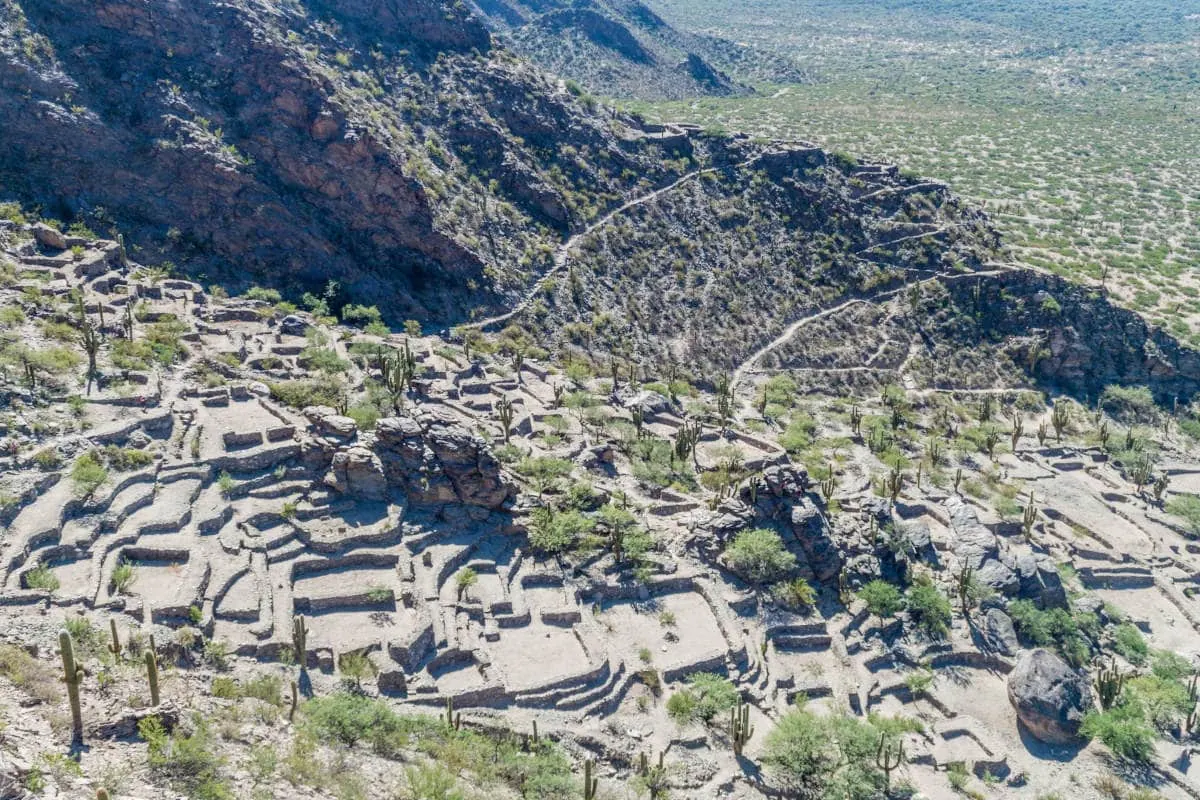
Ruinas de Quilmes. Sorry, this isn’t a recommendation for a local pub — but if the name sounds familiar to you, that’s no accident. Come and discover the history behind Argentina’s best-selling beer.
South of Cafayate, in an area people don’t usually reach on the classic northern Argentina trip, there’s an impressive museum and archaeological site telling the story of the Quilmes people: an advanced, sophisticated people with brave warriors who ruled their territory firmly until the Spanish arrived with their large army. The Quilmes didn’t give in easily, and only after several battles did the Spanish manage to subdue them.
Fortunately, 200 of the Quilmes managed to escape and cross the whole of Argentina on foot until they reached the Buenos Aires area, where today they run a small community that produces Argentina’s most famous beer.
Information and opening hours: https://goo.gl/maps/jW8gHsust36TTTWdA
Cachi. The village sits at the foot of a mountain ridge that’s snow-covered almost all year, and the road there is full of breathtaking landscapes at points like Los Cardones and Cuesta del Obispo. It’s a tourist village where you can find a range of restaurants and places to stay.