Medellín and Cartagena — Salsa, Please
Two Colombian cities beyond the clichés — dance schools, a food market, a salsa institution, a quiet beach.
Medellín and Cartagena — names that roll off the tongue, and few people haven’t heard them.
On one side Medellín, the city tied to the history of Pablo Escobar’s cartel, and on the other Cartagena, the vibrant Caribbean city.
But there is far more in these cities. Today’s Colombia, recovering from the hard years of the drug wars and trying to walk towards a better future, offers in both of them a lively rhythm of dance, authentic and unusual places, and interesting pockets of nature.
Medellín
Medellín — or, as people like to say in a narco accent, Medejín — is one of the largest cities in Colombia and a central destination on any trip through it.
When you say the city’s name you can’t ignore its history, so before I set out what this guide does cover, let me say what it doesn’t: I won’t give a platform to tours or attractions connected to the name Pablo Escobar. He was a murderer, a man who destroyed a country for decades, and we Israelis, who know war, should be the first to condemn any trend of that kind.
So what is Medellín if it isn’t Pablo? Medellín is one of the most musical cities in the world, the city that produced stars like Maluma and J Balvin. Medellín is salsa. Medellín is warm people. In one word — it’s Medellín.
Recommended things to do in Medellín
Dancefree, the Latin dance club. To really enjoy Medellín you need to connect with its rhythm, and that’s exactly what happens at Dancefree. The place is mostly aimed at travellers and gives you an accessible, comfortable first experience of salsa and bachata from the most basic level. They also run dance events with language exchange to improve your Spanish, and generally it’s worth checking their calendar while you’re in the city. https://www.dancefree.com.co/calendario-calendar?view=calendar&month=11-2019
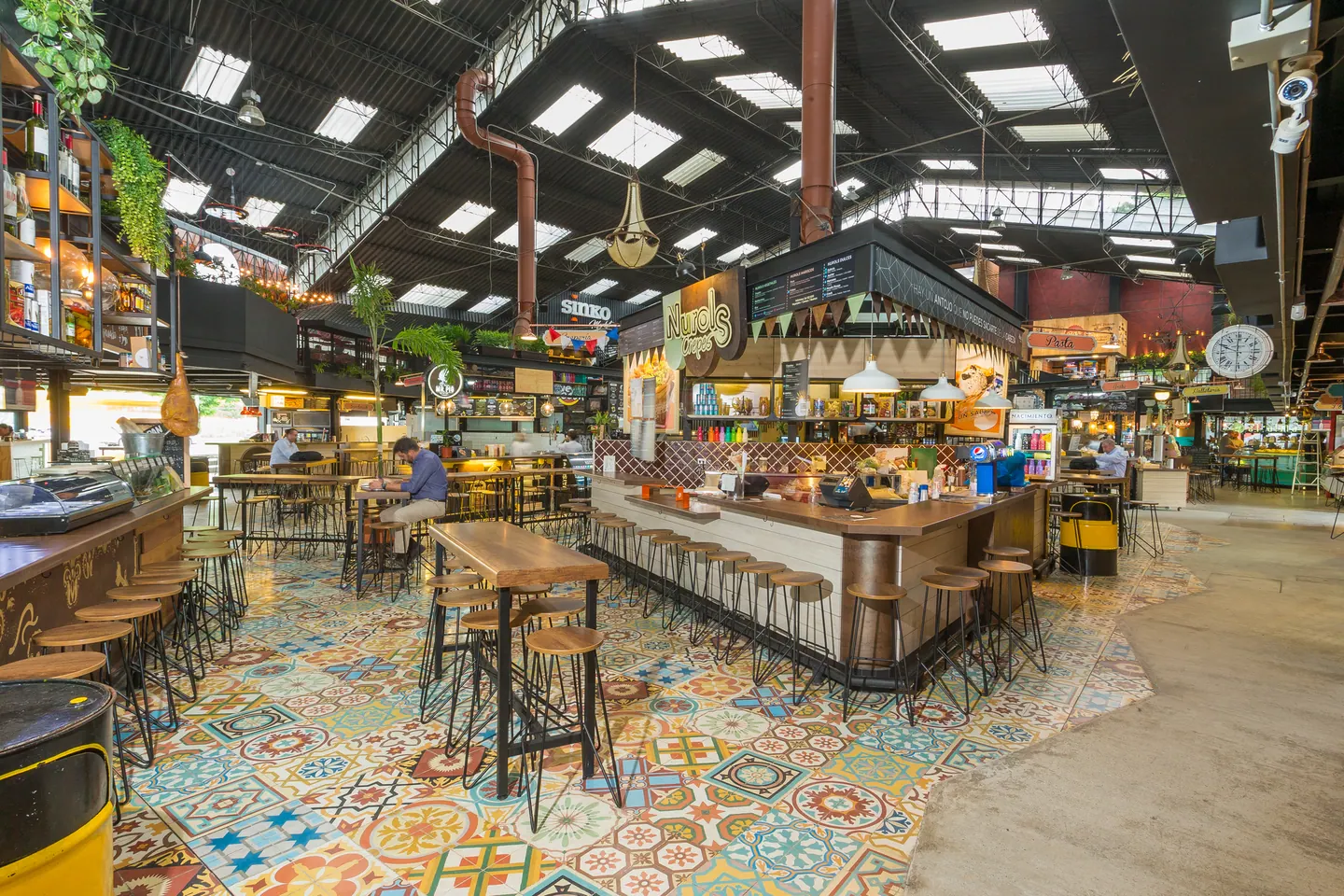
Mercado del Río food market. A relatively small complex but full of flavours from all over the world. An excellent place to eat at any hour of the day, and now and again it hosts fairs and special events. https://g.page/mercadodelrio?share
Concerts. Music comes back to us again — how could it not, in Medellín. The city that produces the best reggaeton artists is home to huge shows from all over the world, and it’s worth checking what’s on in the city when you arrive.
Chabad House Medellín. The Chabad house of South America. Whether or not you’re a great believer, the atmosphere at the Chabad house in Medellín is unlike anywhere else, and it looks as though the Jews there have caught the joy and the particular character of the city.
Accommodation
Medellín Vibes. A boutique hostel that doesn’t stop surprising you: super comfortable dorm beds, an enormous and indulgent pool, a breakfast beyond expectations and a good crowd from all over the world.
Excellently located next to all the hostels, a reasonable walk from the Chabad house. You pay a little more than for an ordinary hostel, but the value for money is remarkable.
Cartagena
Colombia’s Caribbean city: Cartagena de Indias.
A city that combines history and Spanish-built fortresses and palaces with a Caribbean heart beating on the other side — where the slaves the Spanish traded centuries ago slowly became today’s vibrant Colombians. A recipe that invites you to taste every world at once, in a city declared a World Heritage site.
Recommended things to do in Cartagena
Free Tour Cartagena. You’re probably tired of banal free tours, but when you arrive somewhere like Cartagena that really isn’t the story. On a two-hour tour you’ll walk through the old city, learn the local and very entertaining slang, learn about the history and the extraordinary design of the buildings, and finish at the grave of the Nobel laureate Gabriel García Márquez. There are many tours — go only to the yellow umbrellas. https://freetourcartagena.com/en/home/
Salsa and bachata. The Latin rhythm didn’t skip vibrant Cartagena either. A recommended place to take lessons is the school Crazy Salsa, which offers a wide range of salsa and bachata styles at all levels and also puts on performances and dance events. http://crazysalsa.net/crazysalsa/
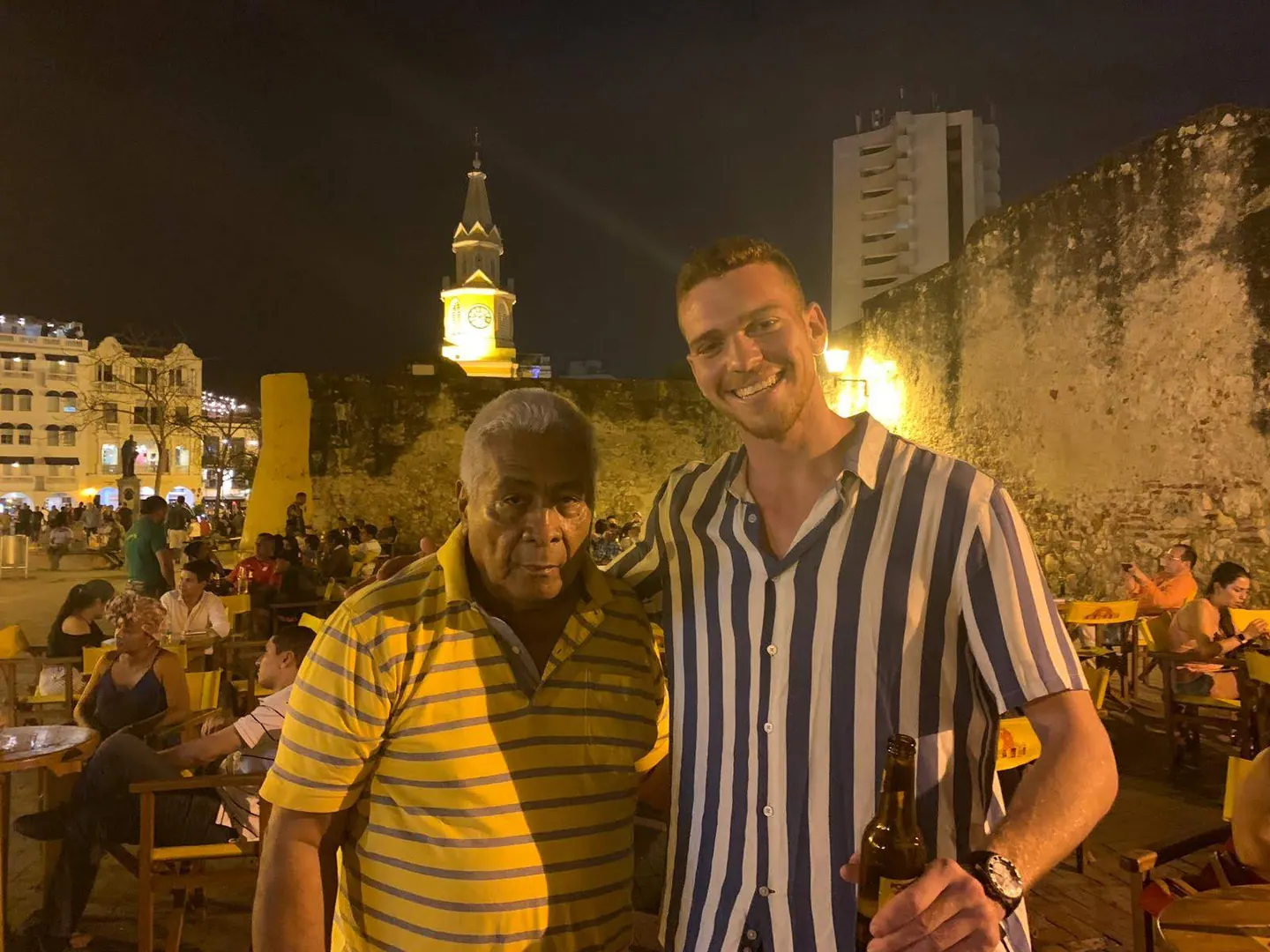
And while we’re talking about dancing in Cartagena, we have to mention the club at the entrance to the old city: the legendary salsa club Donde Fidel, which simply translates as “Fidel’s place” — and that’s exactly what it is. Owner Fidel’s club has become, over decades, a place of pilgrimage for every important singer in the salsa world, and any evening you can come to dance or to listen to salsa with that same famous Fidel.
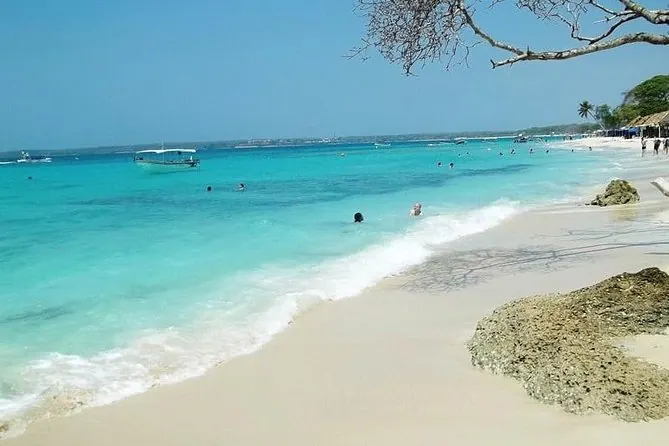
Visiting and staying at Playa Tranquila. A visit to Cartagena without a trip out to the Caribbean coast is only half a visit. But the big complaint is that touristy Cartagena’s beaches have lost their value, and don’t have the Caribbean quiet some travellers are looking for. So I’d recommend a wonderful, lesser-known beach called Playa Tranquila — which translates, appropriately, as “the calm beach”.
To get there you need to reach the well-known, touristy Playa Blanca, where all the buses and tours from Cartagena go. Once you’re at the beach, walk right for something like 15–20 minutes and ask people where the boundary of Playa Tranquila begins. Yes, it’s a walk along the sand and it isn’t the easiest or most comfortable, but it’s a short effort, after which you get long hours of near-private Caribbean sea and accommodation at reasonable prices — all within walking distance of the parties and the action at Playa Blanca.
I’d recommend doing this trip with a small backpack and things for one night, so the walk is comfortable and not much gets dirty in the sand. https://www.tripadvisor.com/AttractionProductReview-g297476-d15754699-ISLA_BARU_PLAYA_TRANQUILA-Cartagena_Cartagena_District_Bolivar_Department.html