Bogotá and the Boyacá Province
The good parts of a huge grey capital, then north to Boyacá — a salt cathedral and the treks of El Cocuy.
You’ve arrived in Colombia. ¡Chévere!
Start memorising that word. Chévere means cool in local slang, a word you’ll hear on every corner.
In this guide I’ll tell you how to find the chévere spots inside the enormous, grey city called Bogotá. From there we’ll head to the province immediately north of Bogotá, Boyacá — which people say has the best people in all of Colombia, and that’s a very tough competition.
In Boyacá we’ll pass through small villages of historical importance with pleasant attractions, and finish almost on the Venezuelan border with breathtaking treks in snow-capped mountains.
So before the next guide in the Colombia series moves to the salsa rhythm of the Caribbean coast, come and meet the other, very interesting Colombia.
Bogotá
Colombia’s capital, Bogotá, is a massive city that almost no traveller passes by.
At first glance there isn’t much to get excited about. Like most South American capitals it’s large and grey. But don’t forget: this is the capital of Colombia, a country of people with big hearts and an interesting story, only recently recovering from the guerrilla and drug wars, still riddled with corruption, and beginning to flourish.
Let’s divide Bogotá into two tourist areas and make sense of them.
La Candelaria
The most touristed area in Bogotá. On one side plenty of museums, on the other a great many hostels, graffiti and street performances. An interesting and lively area without doubt — but note that towards evening it becomes somewhat unsafe.
Main things to do in the area:
The Botero Museum. A free art museum and one of a kind, built around the controversial works of the greatest Colombian artist of all time, Fernando Botero. Botero takes famous figures or ordinary women in everyday activities and paints or sculpts them fat — an interesting, amusing and pointed perspective. Beyond Botero’s own work, the museum also has rooms of highly valuable Renaissance and modern works by Picasso, Monet and many other greats. A paradise for art lovers, but also an experience for any average visitor, and it’s free.
The Gold Museum. An interesting museum giving a historical overview along Colombia’s timeline, from the tribes through the conquest to independence, while showing many gold works found in different provinces along with chemical explanations of the processes. An excellent museum for lovers of history and culture. Beyond that, if you have time to spend in the city it’s worth visiting — and in general Bogotá is a rainy city, so recommendations for indoor places are always worth keeping.
Plazoleta del Chorro de Quevedo. As you’ll see a lot in Colombia, they like shortening words and making them affectionate. So here too, it isn’t a plaza, it’s a plazoleta. A small but lively square where there are street performances and stand-up throughout the day. It’s a pleasant, refreshing point in the heart of the neighbourhood, and colourful alleyways of graffiti and street art lead off it.
Carrera Séptima (7th Avenue). One of the central, long streets crossing Bogotá from south to north. On Sundays, from early morning until the afternoon, the street is open only to pedestrians, cyclists and runners.
So on Sundays this street becomes the beating heart of Bogotá: performances and festivals in the parks, activities, small markets and vendors on every corner. And simply seeing tens of thousands of Colombian cyclists and runners fill the street is an experience in itself.
Chapinero
So we took Carrera Séptima and went ten minutes north.
Chapinero is the wealthy area of the city: very safe, clean, with impressive buildings and embassies. It’s also a very common area for visitors, because it’s safe and because it holds Bogotá’s nightlife and food scene.
Attractions in the area:
The Usaquén Sunday market. A large, well-organised local artisans’ market in a small, wealthy neighbourhood called Usaquén. The market is an excellent combination of food and local art, the goods are excellent, and it’s enjoyable to buy things and talk to the makers. Highly recommended. You can start Sunday on a bike on Carrera Séptima and head up towards the market from there — an excellent combination.
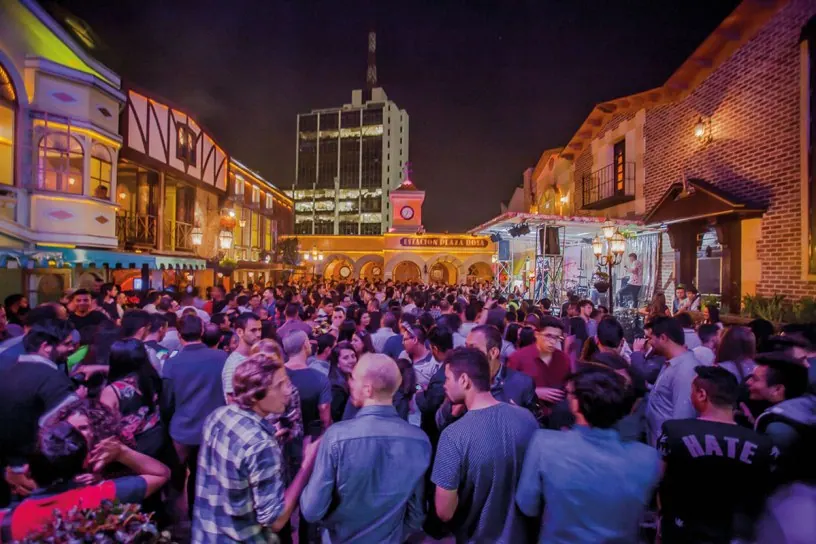
Nightlife and Theatron. As I hinted at the start, Chapinero is the heart of Bogotá’s nightlife. It has many large clubs, places to dance salsa, and plenty of breweries and pubs, all in an area called Zona Rosa.
Theatron. Full disclosure: when I first wrote this up I typed “the Theatron museum” — and that isn’t far from the truth. This club is almost a museum of nightlife. It’s the largest club in South America.
The club is made up of no fewer than fifteen clubs inside it. So this time there are no excuses — everyone can enjoy themselves, from reggaeton to salsa, techno, and even rock and country. From opening until 2am, the entrance fee lets you into all the clubs with drinks included, so I’d recommend arriving not too late and enjoying an unforgettable night.
The neighbourhood itself. A bit of urban calm never hurts. Enjoy a pleasant and safe walk, pass the embassy buildings, do some shopping, eat well, try a few beers from the many local breweries in the area, and walk through the beautiful parks beside the luxury hotels.
Boyacá
North of Bogotá lies the province of Boyacá, which people say has the best people in Colombia — and in a country where almost the entire population is warm-hearted, that’s a title worth investigating. Add to that historical sites, green nature and even treks, and come and discover Boyacá.
The Salt Cathedral
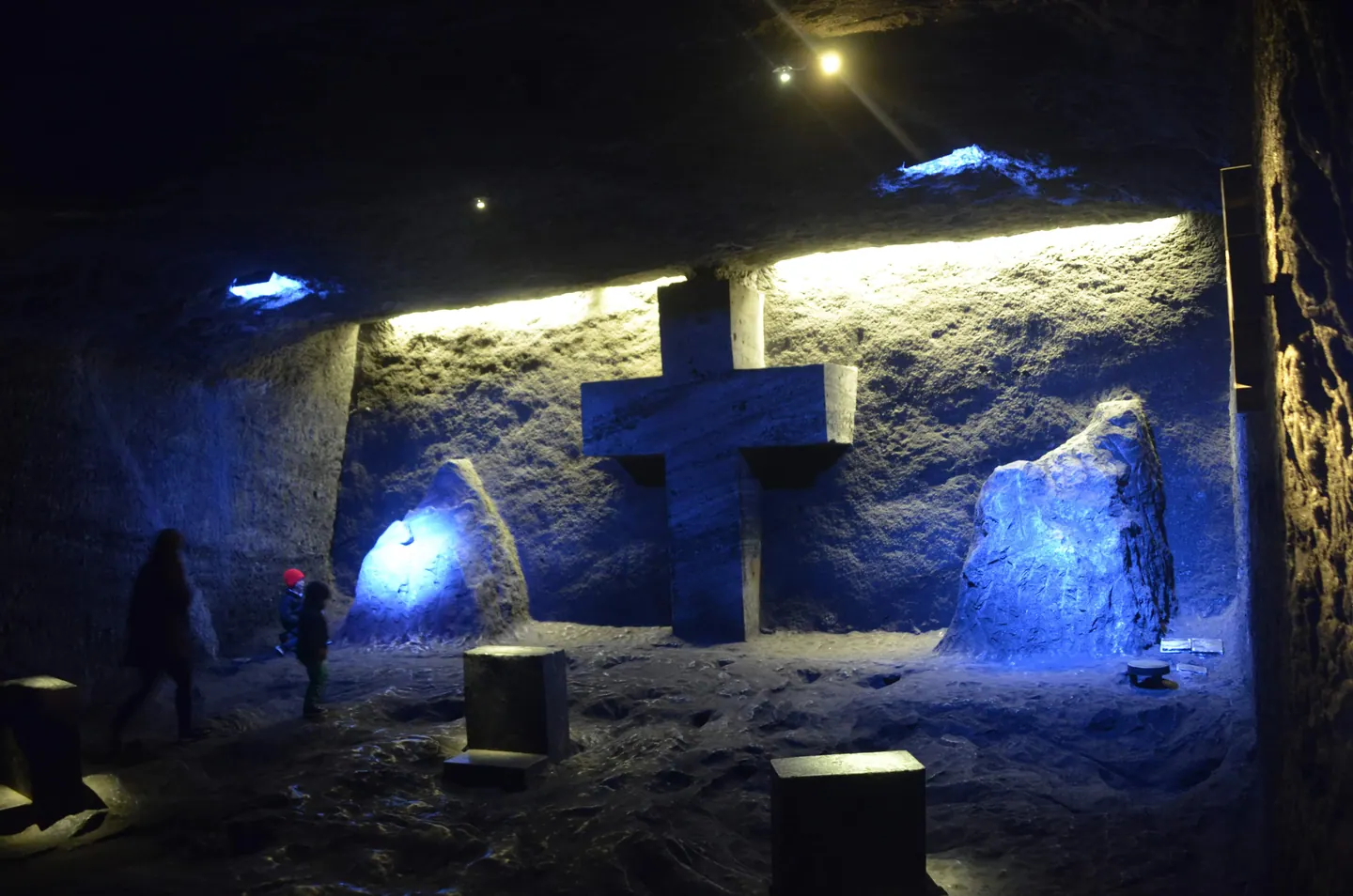
The closest place to Bogotá that’s also convenient to visit, and worth visiting regardless of Boyacá, is the Salt Cathedral. It’s an enormous and extraordinarily impressive complex of carvings in salt, with whole areas devoted to worship as prayer spaces for the salt miners.
The cathedral is in the pleasant town of Zipaquirá, about an hour and a half from Bogotá. There are plenty of tours going there, though they’re a little expensive; you can find them at any hostel. There’s also a good option of taking a bus to the town — for that you need to reach the northern main terminal (Portal Norte) on Bogotá’s TransMilenio rapid bus lines. From there buses leave for Zipaquirá every fifteen minutes.
In the town itself you follow the signs to the cathedral, passing on the way through the pleasant central square, designed in a beautiful and surprising European style.
Villa de Leyva
Three hours from Bogotá we arrive at the small, magical towns of Boyacá. The best known, most visited and most historically significant is Villa de Leyva.
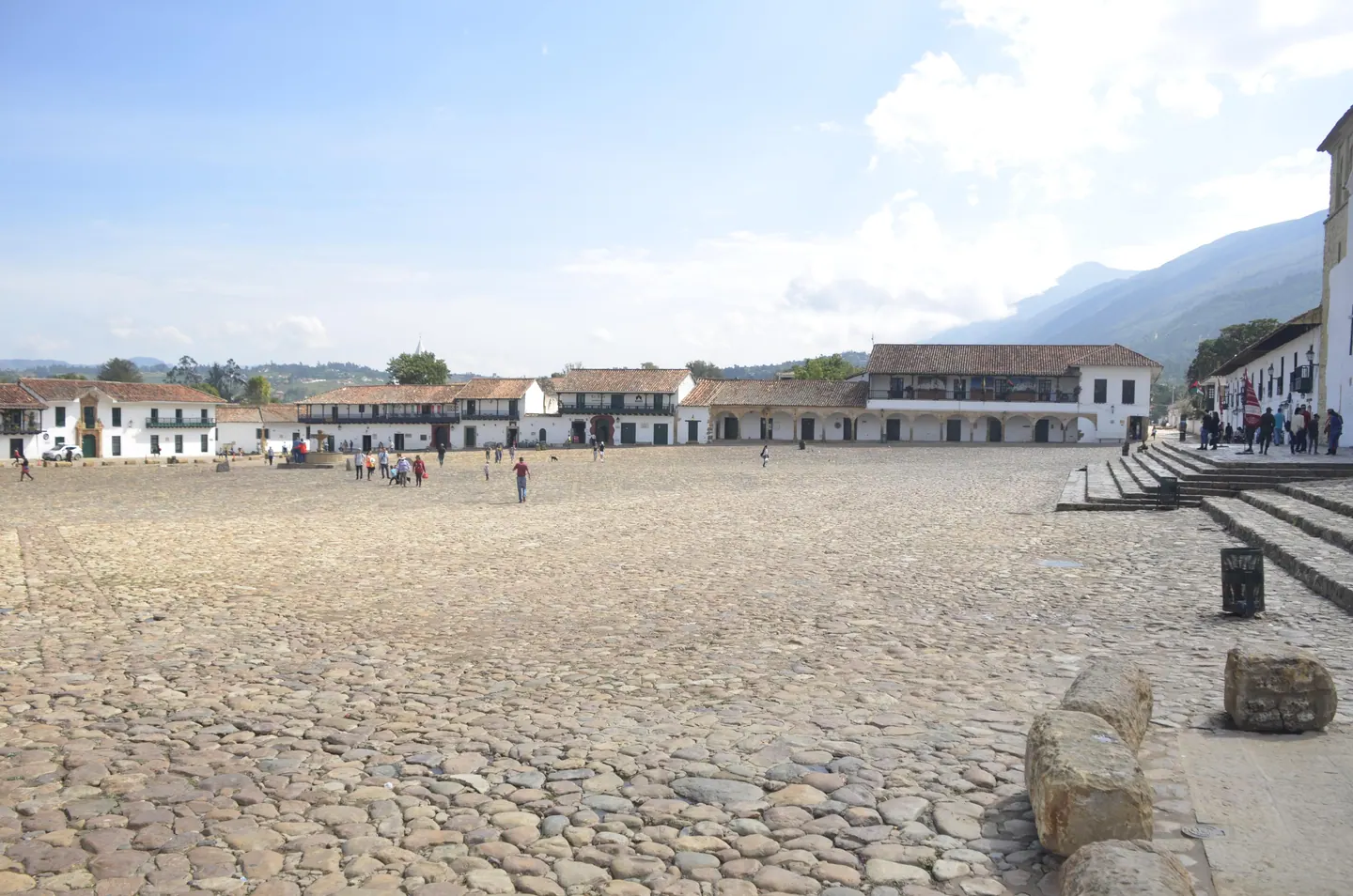
The town’s particular magic is its architecture and distinctive atmosphere. It was built centuries ago in colonial style and was an important centre in that period, but since then — because there are no natural resources around it and it isn’t near any main route — the buildings have stayed exactly as they were in 1600.
The plaza. You feel the colonial magic most on arriving at the central square, a plaza that looks as though the colonial-era stones were laid only recently, with the buildings around it keeping the same distinctive character.
In the evenings the plaza becomes the main place to go out in the small town, with a range of bars and restaurants.
A recommended restaurant on a street beside the plaza is the Italian place Santa Lucía.
Casa Museo Antonio Nariño. If you’ve made it to Villa de Leyva and caught the colonial nostalgia, it’s worth a short but interesting, history-filled hour at the museum set up inside the house of one of the great Colombian commanders who led the country to independence, Antonio Nariño.
The museum is free, well organised in English and Spanish, and runs tours every hour.
Attractions on the edge of town
The area right on the way out of town is one of the most famous dinosaur fossil sites in the world. It probably isn’t the first thing any of us would rush to do on an ordinary day, but if we’ve come to a place like this it’s worth learning about and seeing the finds. You can do that in two main places in the area:
Museo del Fósil — presented more scientifically and indoors. Parque Temático Gondava — an open, green park with interesting explanations, more interactive than the museum but in Spanish only.
There are also pleasant attractions on the outskirts of the village that you can move between by hiring bikes or quad bikes, or on foot — though that takes a long time and isn’t recommended.
Viñedo Umaña Dajud, a winery Casa Terracota, an enormous house made of clay as a work of art. Remarkable. Pozos Azules, a turquoise lagoon
Sierra Nevada del Cocuy
Travelling in Colombia and fancy escaping into nature and challenging yourself? Meet the El Cocuy mountain range, which will challenge any trekker and return you to nature’s embrace with snow-capped mountains and breathtaking landscapes.
On the eastern side of Boyacá province, almost on the border with Venezuela, sits the mountain range: the Sierra Nevada del Cocuy. The area is visited and known mainly by Colombians, but slowly foreign travellers are starting to come more and more.
Preparations and getting there
El Cocuy National Park has been through several changes and regulations in recent years, and because it’s several hours from Bogotá it’s worth knowing and arranging a few things in advance:
Visiting the park is via three defined routes, all day routes not including overnight stays. The routes are of medium-to-hard difficulty and you need to be prepared for the altitude and the difficulty.
Each of the trips has only a set number of hikers who can go out each day (between 100 and 200), as part of an effort to preserve nature that has been damaged by hiker numbers.
An entry permit for the park, no matter how many routes you do, costs 71,000 pesos.
So we’ve established this isn’t the simplest trek to organise — but there’s no need to be alarmed by all the numbers above.
The simplest solution is to talk to a guide in advance, since you’ll need one anyway to do the trip. They live in the village you set out from and can help you beforehand with registration and insurance, and will explain everything easily.
Here’s the number of a good local guide. +57-314-4711-647
Accommodation and getting there
The recommended way to get there is by bus. A bus from Bogotá takes around twelve hours to the village of El Cocuy. The journey is interesting and stops in small villages, entirely untouristed, with beautiful landscapes.
Check with the receptionist at your hostel in Bogotá to make a booking and get further information.
Accommodation
On accommodation it’s better to consult the guide in advance. The treks set out very early in the morning and the starting point is up in the mountains, about an hour from the village.
So the options for sleeping are either to stay in the village and take a transfer in the morning to the starting point, or to go up the day before to one of the places to stay in the mountains. The second is preferable, because you acclimatise to the altitude, it feels like a guesthouse and the atmosphere is very distinctive — and of course you sleep an hour longer.
For the real adventurers there’s the option of sleeping in the village and going up in the morning with the truck that delivers milk to the mountain settlers. As they say, I’ll just leave that here and not elaborate.
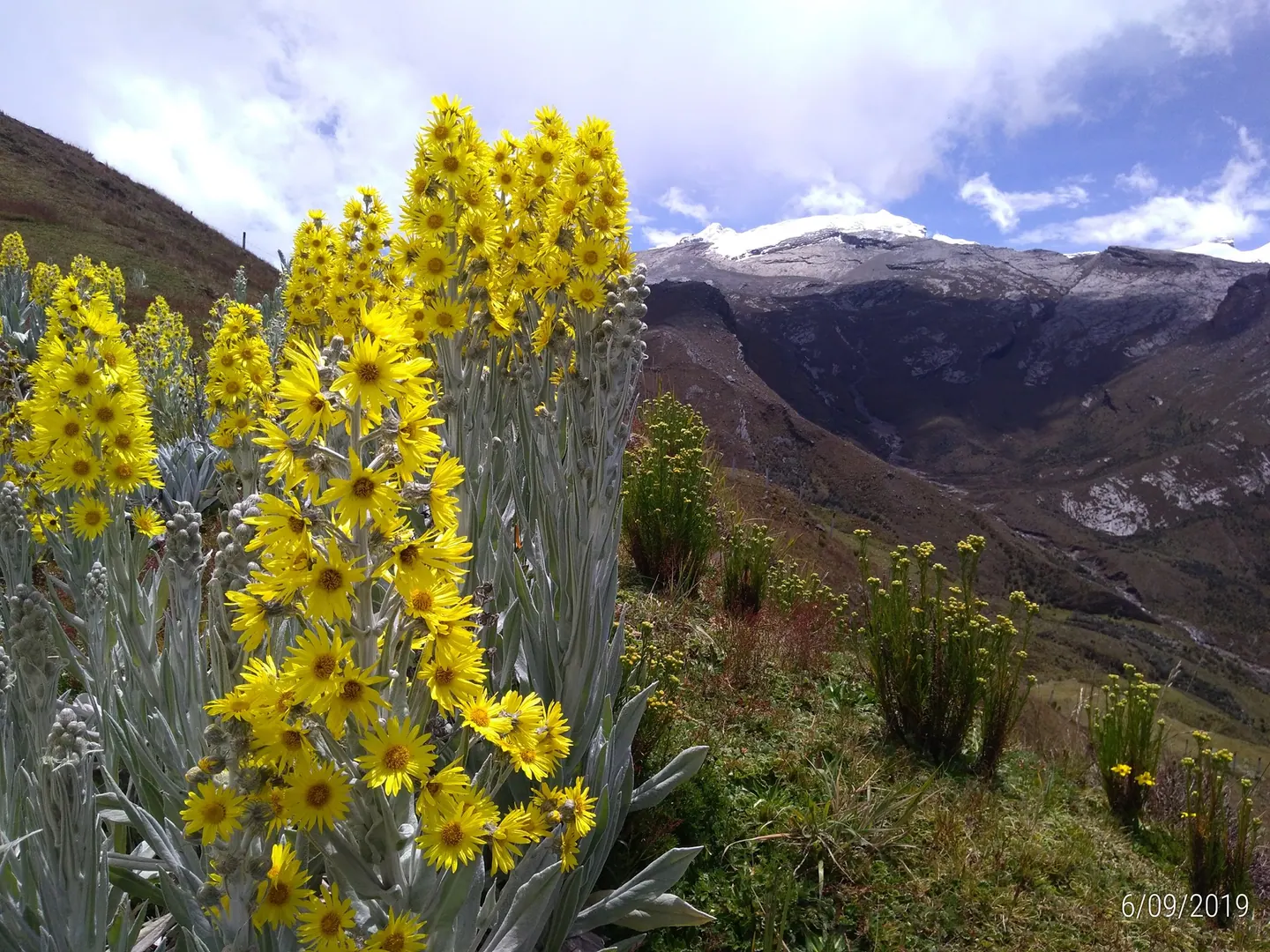
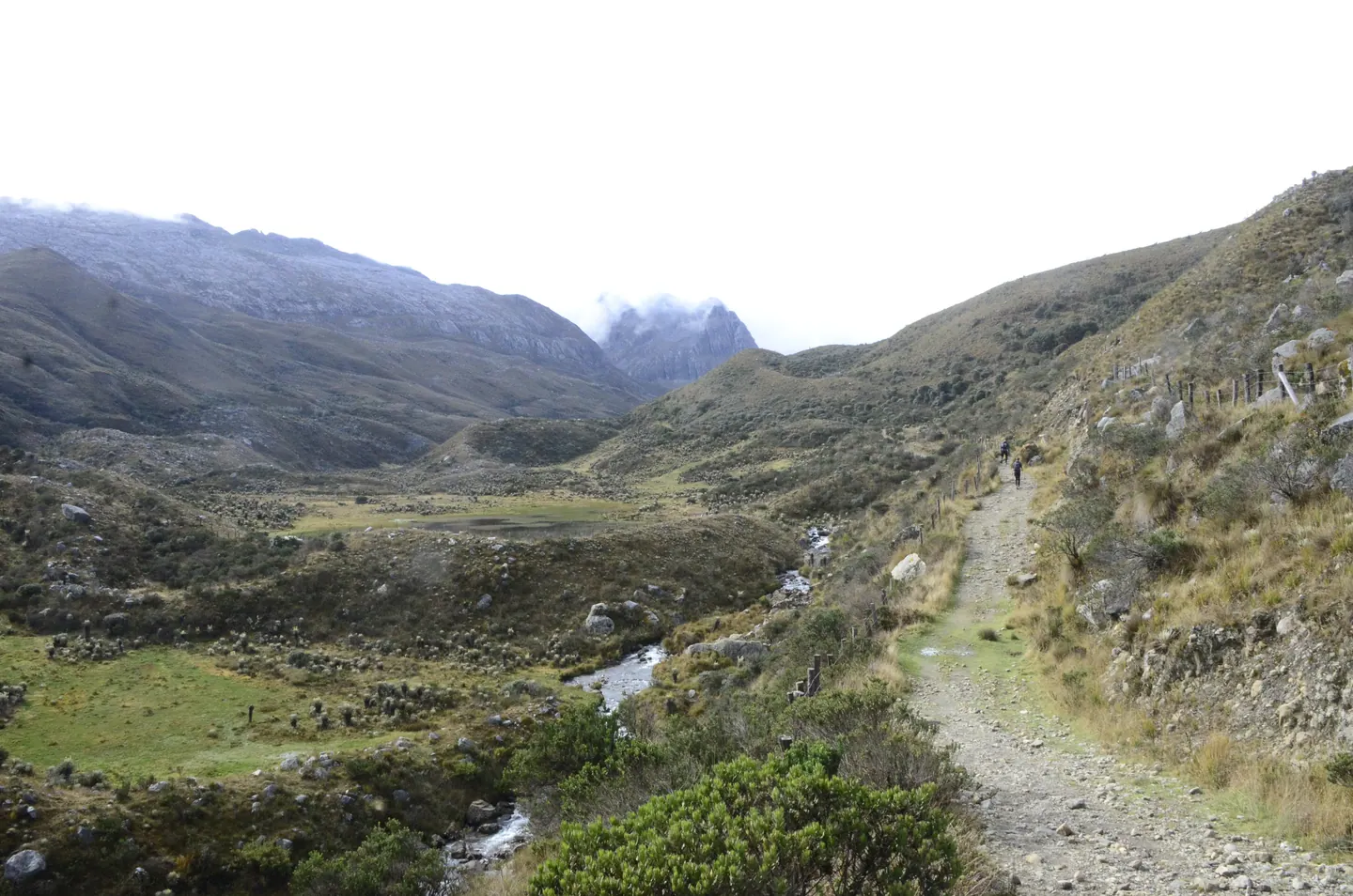
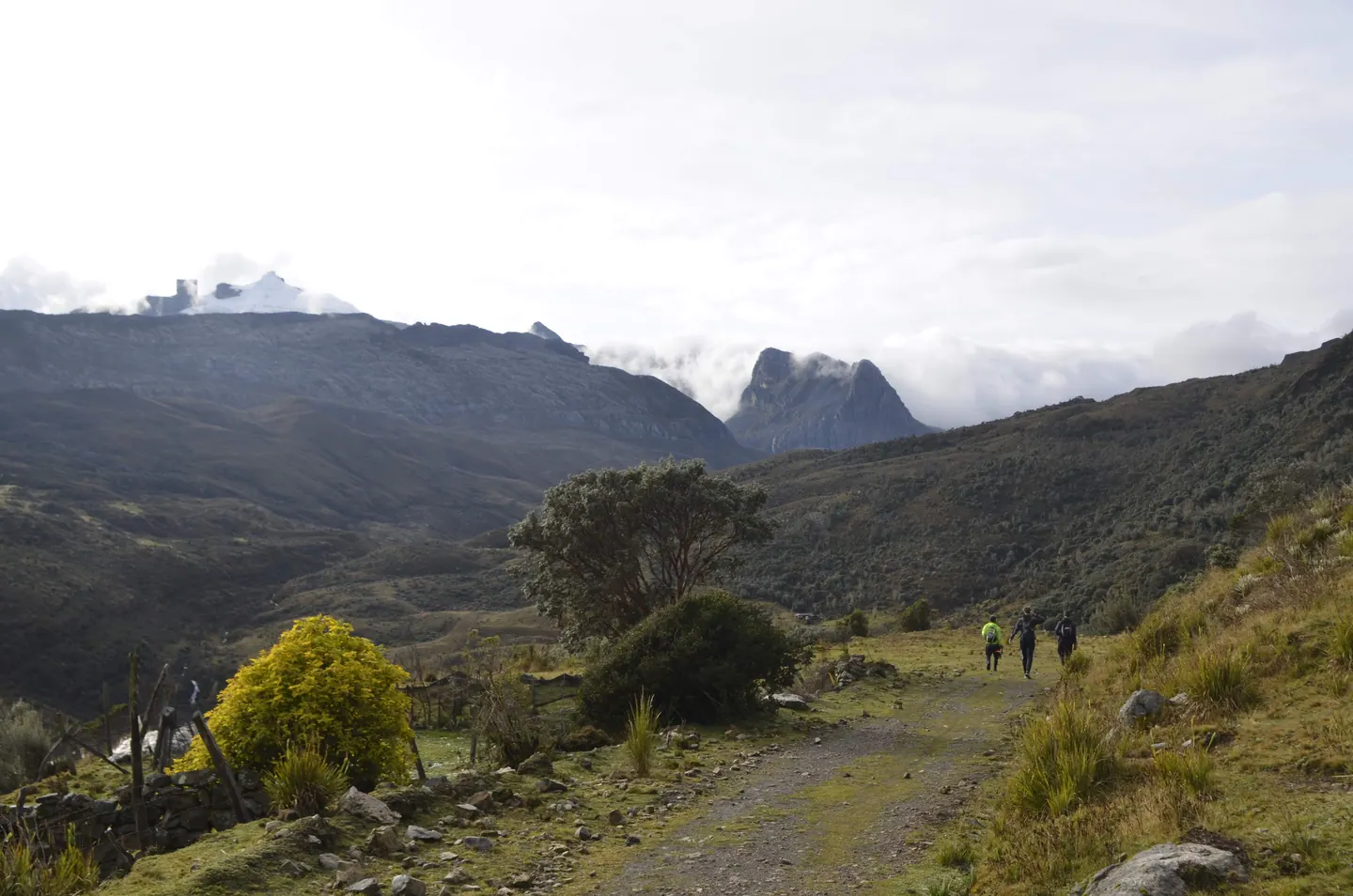
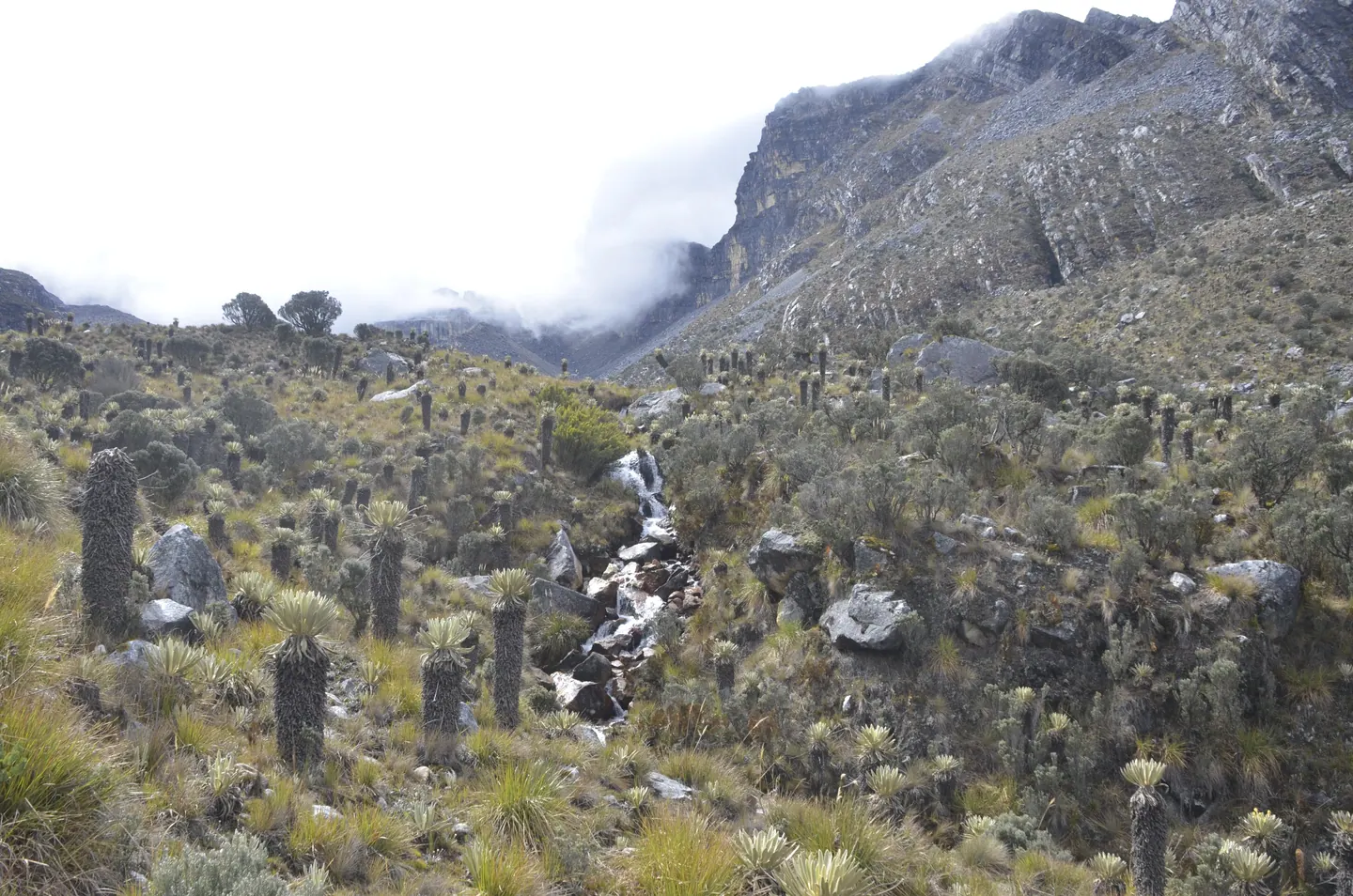
The landscapes of El Cocuy.
The routes
As I mentioned at the start, in the park you can do three day routes.
Laguna Grande — the most beautiful route, passing through the valley of the frailejones, the plants that make this place distinctive, and ending at an impressive lagoon.
El Púlpito — a challenging and impressive route with a climb up a snow-capped mountain, ending at a large snow-covered rock wall that gives the trek its name: the Devil’s Pulpit.
Ritacuba — the highest peak in the Sierra Nevada del Cocuy and one of the highest peaks in Colombia.
To sum up: El Cocuy isn’t the first choice for a traveller in Colombia, because of the distance, the advance organisation and the lack of precise information — which creates both an advantage and a disadvantage.
The disadvantage is that it isn’t easy or natural to head into the unknown, and it takes several days out of the trip.
On the positive side, this is a natural treasure that still hasn’t been discovered and doesn’t get the respect it deserves. You’ll be among the only travellers there, and you’ll discover remote regions of Colombia, culture, villages and untouched nature — and along the way you’ll challenge yourself physically and conquer a few more peaks.
Here’s an article in English on the subject for more information: https://funlifecrisis.com/el-cocuy-national-park-trek-colombia/